
-430x429.webp)
A Practical Guide to Circular Knitting Needle Sizes

Understanding Needle Head Sizes & Cord Lengths for Better Knitting Results
Choosing the right circular knitting needle is not about using the biggest size available — it’s about matching the needle head size and cord length to your yarn, fabric structure, and project type.
Every circular knitting needle is designed for a specific purpose. From fine-gauge fabrics to heavy knitted structures, the correct combination of needle size and cord length directly affects stitch quality, production efficiency, and fabric consistency.
This guide explains how circular knitting needle sizes work, how to read size markings, and how to select the most suitable needle for your application.
How Circular Knitting Needle Sizes Are Defined
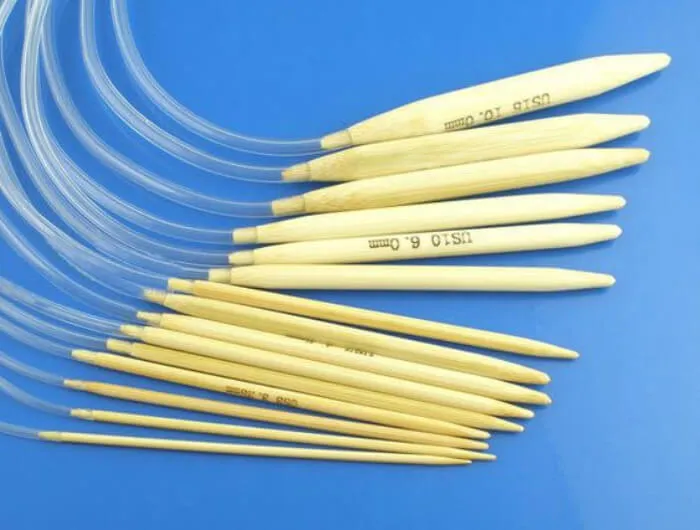
Circular knitting needles are identified by two key parameters:
- Needle head size (diameter or gauge)
- Cord length (measured from tip to tip)
For example, a Size 9 – 24 inch circular needle refers to:
- Needle head size: US 9
- Total cord length: 24 inches (tip to tip)
Size Standards You Should Know
Circular knitting needles may follow different sizing systems:
- Metric (mm)
- US sizing
- UK sizing (reverse scale compared to US)
⚠️ Important note:
A US 10 needle is not the same as a 10 mm needle. Always confirm the sizing system before selecting needles for production or sampling.
What Are Circular Knitting Needles?
Circular knitting needles consist of two needle tips connected by a flexible cable. They are widely used in:
- Circular knitting machines
- In-the-round knitting
- Large or heavy textile projects
Compared to straight or double-pointed needles, circular needles offer:
- Better weight distribution
- Improved stitch stability
- Higher flexibility for both flat and circular knitting
Circular Knitting Needle Head Size Guide
Very Fine Sizes (US 1 and Below)
- Used for lace and ultra-fine fabrics
- Mainly for specialised applications
- Not recommended for beginners
Small Sizes (US 1–3)
- Ideal for socks and lightweight fabrics
- Commonly paired with fine yarns
- Suitable for detailed knitting work
Medium-Small Sizes (US 3–5)
- Best for sport-weight yarns
- Used in baby garments, light sweaters, shawls
Medium Sizes (US 5–7)
- Suitable for DK-weight yarns
- Popular for gloves, scarves, and light sweaters
Popular Sizes (US 7–9)
- Most widely used range
- Perfect for worsted-weight yarns
- Recommended for beginners and standard projects
Large Sizes (US 9–11)
- Designed for bulky yarns
- Enables faster knitting and thicker fabrics
- Common sizes: 9, 10, 10.5, 11
Extra Large Sizes (US 11–17)
- Used for heavy and oversized projects
- Typically available in odd sizes only
Jumbo Sizes (Above US 17)
- For jumbo yarns and thick structures
- Plastic needles are preferred to reduce weight
Circular Knitting Needle Cord Length Guide
9-Inch Cords
Best for:
- Socks
- Baby hats
- Narrow sleeves
⚠️ Limited comfort for very small diameters
16-Inch Cords
Ideal for:
- Hats
- Baby garments
- Sleeves and collars
- Hat brims
24-Inch Cords
Most versatile length:
- Sweaters
- Small cardigans
- Shawls
- Flat knitting projects
29–32 Inch Cords
Recommended for:
- Sweater bodies
- Medium-size garments
- Shawls and baby blankets
36–40 Inch Cords
Best for:
- Large or heavy projects
- Magic loop knitting
- Men’s sweaters and large pullovers
Over 40 Inches
Used mainly for:
- Extra-large blankets
- Wide flat knitting
⚠️ Excess cord may reduce efficiency for small projects
Interchangeable Needle Systems
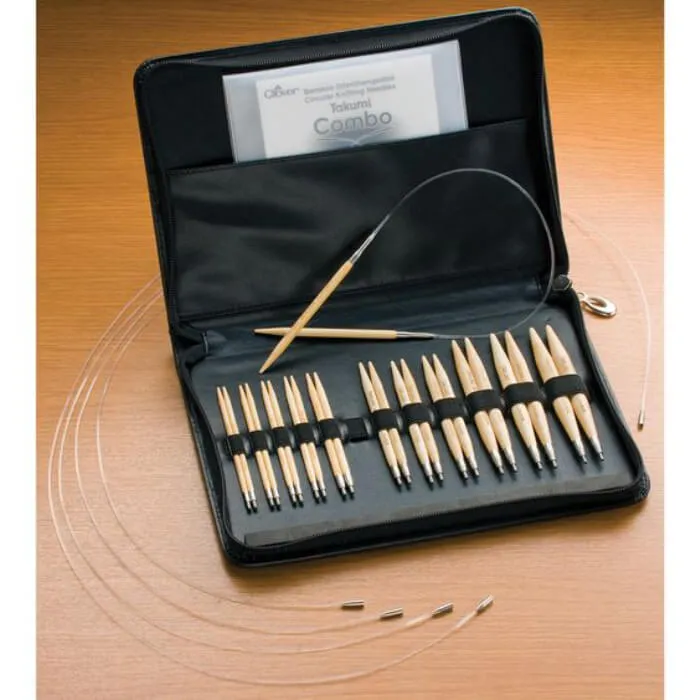
For professionals handling multiple projects, interchangeable needle kits are the most efficient solution.
Benefits include:
- Multiple needle head sizes
- Adjustable cord lengths
- Reduced inventory cost
- Faster setup for different projects
They are especially useful in sampling rooms and small-batch production.
Final Thoughts: Choosing the Right Circular Knitting Needle
The correct circular knitting needle depends on:
- Yarn weight
- Fabric structure
- Project size
- Personal or machine preference
While experimentation helps refine your choice, following yarn recommendations and project specifications will save time and reduce errors.
Short cords suit small projects, while longer cords handle larger and heavier fabrics more efficiently.
For more professional insights into circular knitting machines, needles, and fabric production, explore our blog and product series.
Our Product Range
Single Knit Series
- Single Jersey
- Single Terry
- Open Width
- Reverse Plated Loop
- Three Thread Fleece
Double Knit Series
- Interlock
- Rib
- Open Width
- Body Size
Computerized Series
- Single Jacquard
- Double Jacquard
- 4 / 6 Color Auto-Striper
- Single Terry Jacquard
- Double Jacquard Rib Transfer
📩 Contact us to find the right knitting needle or machine solution for your production needs.